Acne is one of the most common skin conditions affecting teenagers and adults. From occasional pimples and blackheads to persistent inflammatory acne, painful cysts and acne scars, the condition can significantly affect confidence and quality of life.
If you are looking for acne treatment in Jaipur, the right approach is not simply to use another face wash or acne cream. Effective acne management begins with understanding why you are developing acne, what type of acne you have, how severe it is, whether it is leaving pigmentation or scars, and what treatment your skin can tolerate.
At Collagen Clinics, Jaipur, acne treatment is planned according to the individual’s skin type, age, severity of acne, hormonal factors, lifestyle and risk of scarring. The objective is not only to clear existing pimples but also to prevent new breakouts, reduce post-acne marks and minimize the risk of permanent acne scars.
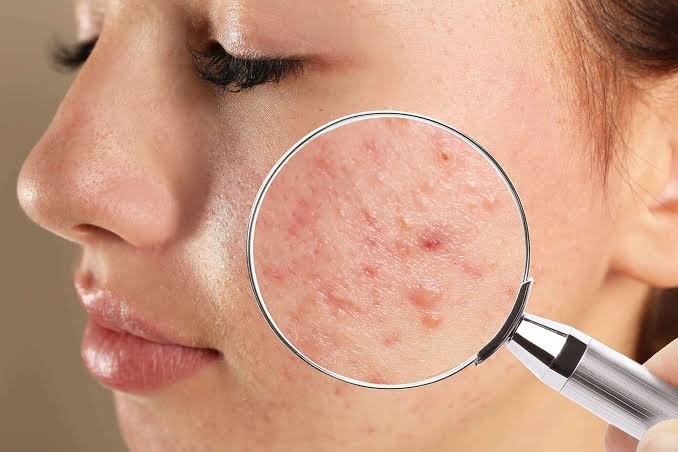
What Is Acne?
Acne vulgaris is a chronic inflammatory skin condition that develops when hair follicles become blocked by oil, dead skin cells and cellular debris. Changes in the skin microbiome and inflammation also contribute to acne.
Acne commonly affects the:
- Face
- Forehead
- Cheeks
- Chin and jawline
- Chest
- Upper back
- Shoulders
It can appear as blackheads, whiteheads, red pimples, pus-filled lesions or deeper painful nodules and cysts.
Acne is particularly common during adolescence because hormonal changes can increase oil production. However, acne can continue into adulthood or develop for the first time in adults.
Adult female acne is particularly common around the lower face, chin and jawline and may sometimes have a hormonal component.
Why Does Acne Develop?
Acne does not have a single cause. Several factors can work together.
1. Excess oil production
Sebaceous glands produce sebum, an oily substance that helps protect the skin. Excess sebum can contribute to clogged pores and acne.
2. Blocked pores
Dead skin cells can accumulate inside hair follicles and contribute to the formation of blackheads and whiteheads.
3. Inflammation
Inflammation plays an important role in the development of red, swollen and painful acne lesions.
4. Changes in the skin microbiome
The bacterium Cutibacterium acnes is part of normal skin flora but can contribute to inflammation under certain conditions.
5. Hormonal influences
Androgens can increase sebaceous gland activity. Hormonal acne may be suspected when breakouts are persistent around the jawline and chin, particularly when they are associated with menstrual irregularity or other symptoms suggestive of hormonal imbalance.
6. Genetics
If one or both parents experienced significant acne, you may have a higher tendency to develop acne.
7. Skin-care and cosmetic products
Heavy or comedogenic products can aggravate acne in some individuals. Using products labelled non-comedogenic may be helpful for acne-prone skin.
Types of Acne
Understanding the type of acne is important because treatment differs according to the type and severity.
Blackheads
Blackheads are open comedones that appear as small dark spots on the skin. The dark colour is not necessarily dirt; it is related to oxidation and changes within the follicle.
Whiteheads
Whiteheads are closed comedones. They appear as small, skin-coloured or whitish bumps.
Papules
Papules are small red, inflamed bumps that may be tender.
Pustules
Pustules are inflamed acne lesions containing pus.
Nodules
Nodules are deeper, larger and often painful inflammatory lesions. They carry a greater risk of scarring and generally require medical treatment.
Cystic acne
Cystic or nodulocystic acne involves deep inflammatory lesions and can result in significant permanent scarring if not treated appropriately.
Deep nodules and cysts should not be squeezed or repeatedly manipulated. Early dermatological treatment can help reduce inflammation and the risk of permanent scars.
Acne Treatment in Jaipur
There is no single acne treatment that works for every patient.
A dermatologist may use one treatment or a combination of treatments depending on the type and severity of acne.
The major goals of acne treatment are:
- Clear existing acne
- Prevent new breakouts
- Control inflammation
- Reduce the risk of acne scars
- Treat post-acne pigmentation
- Maintain clear skin over the long term
Current dermatology guidelines support several topical treatments, including benzoyl peroxide, topical retinoids, azelaic acid and salicylic acid, while systemic treatment may be appropriate for moderate-to-severe or resistant acne.
1. Topical Acne Treatment
Topical medicines are applied directly to the skin and are commonly used for mild to moderate acne.
Retinoids
Retinoids such as adapalene, tretinoin and other prescription retinoids help normalize follicular cell turnover and prevent pores from becoming blocked.
They can be particularly useful for:
- Blackheads
- Whiteheads
- Mild inflammatory acne
- Acne maintenance
- Prevention of new breakouts
Retinoids are often used as part of long-term acne management rather than simply as a spot treatment.
Benzoyl peroxide
Benzoyl peroxide is an established acne treatment that reduces acne-associated bacteria and inflammation.
It may be prescribed alone or in combination with other acne medications.
An important principle of modern acne management is avoiding unnecessary antibiotic monotherapy. When antibiotics are used, benzoyl peroxide is often incorporated into the treatment plan to help reduce antibiotic resistance.
Azelaic acid
Azelaic acid can help manage acne while also addressing the dark marks that may remain after inflammatory acne.
It can be particularly useful for patients who experience both acne and post-inflammatory hyperpigmentation.
Salicylic acid
Salicylic acid helps exfoliate the skin and unclog pores. It may be useful particularly for comedonal acne.
However, stronger or excessive exfoliation can irritate acne-prone skin, so the concentration and frequency should be selected according to individual skin tolerance.
2. Oral Medicines for Acne
Moderate or severe acne may require oral medication.
Oral antibiotics
Medicines such as doxycycline may be prescribed for selected patients with inflammatory acne.
Antibiotics are generally used for a limited period rather than indefinitely. They are typically combined with appropriate topical therapy, and unnecessary prolonged antibiotic treatment should be avoided because of antibiotic resistance and other potential adverse effects.
Hormonal treatment for selected women
Some women have acne associated with hormonal influences.
Depending on the individual clinical situation, treatment may include hormonal options such as combined oral contraceptives or spironolactone.
These medicines are not appropriate for everyone and require assessment of medical history, contraindications and pregnancy considerations.
Isotretinoin
It is one of the most effective systemic treatments for severe acne and may be considered in patients with:
- Severe nodulocystic acne
- Acne causing significant scarring
- Acne that has not responded adequately to standard treatment
- Acne with substantial psychosocial impact in appropriately selected patients
Isotretinoin is a prescription medicine that requires careful medical supervision.
It should never be started or stopped without appropriate dermatological assessment and monitoring.
Pregnancy prevention and pregnancy-related safety requirements are particularly important because isotretinoin can cause serious fetal harm.
The decision to use isotretinoin should therefore be individualized rather than based simply on the number of pimples present. Current guidelines recommend isotretinoin particularly for severe acne or acne that has failed standard therapies.
3. Acne Procedures and In-Clinic Treatments
In selected patients, procedures may complement medical acne treatment.
Intralesional corticosteroid injection
A large, painful inflammatory acne nodule may sometimes be treated with an intralesional corticosteroid injection.
This can reduce swelling and pain more rapidly and may help reduce the risk of prolonged inflammation and scarring in appropriately selected lesions.
Chemical peels for acne
Certain professionally selected chemical peels may be used as an adjunctive treatment for acne and post-acne pigmentation.
The choice of peel, concentration and frequency should depend on skin type, active acne, sensitivity and pigmentation risk.
Chemical peels should not be performed casually at home with strong acids.
Acne extraction
Selected comedones may be professionally extracted when appropriate.
Repeated squeezing or extracting pimples at home can increase inflammation and may contribute to pigmentation and scarring.
Laser and light-based treatments
Laser and light-based procedures may be considered in selected acne patients or as part of a broader treatment plan.
However, these treatments should not automatically replace evidence-based medical therapy.
The most appropriate treatment depends on the individual’s acne type, severity, skin type and treatment goals.
Acne Treatment for Teenagers in Jaipur
Teenage acne is extremely common and often begins around puberty.
Although mild acne may sometimes respond to an appropriate skin-care routine and topical treatment, persistent inflammatory acne should not simply be ignored.
Early treatment is particularly important when there are:
- Painful pimples
- Frequent breakouts
- Nodules or cysts
- Acne on the chest or back
- Dark acne marks
- Early scars
- Significant emotional distress
The aim is to control acne before repeated inflammation causes permanent scarring.
Parents should also avoid blaming teenagers for their acne. Acne is a medical skin condition, not a sign of poor hygiene.
Adult Acne Treatment in Jaipur
Adult acne can be particularly frustrating because it may continue even after adolescence.
These acne can occur in both men and women, although hormonal influences are especially relevant in some women.
Common patterns include acne around:
- Chin
- Jawline
- Lower cheeks
- Neck
Adult acne may also coexist with post-inflammatory pigmentation, sensitivity or an already established skincare routine.
Treatment should therefore be individualized rather than simply using strong acne products.
For women with persistent acne, particularly when accompanied by irregular periods, increased facial hair or other symptoms suggestive of hormonal imbalance, the dermatologist may consider whether further hormonal evaluation is appropriate.
Hormonal Acne Treatment in Jaipur
Hormones can influence sebaceous gland activity and acne formation.
Hormonal acne may be suspected when acne:
- Flares around menstruation
- Predominantly affects the chin and jawline
- Persists into adulthood
- Repeatedly returns despite appropriate topical treatment
Hormonal acne does not necessarily mean that a person has a hormonal disorder.
A dermatologist will assess the complete clinical picture before recommending investigations or hormonal treatment.
Depending on the patient, treatment may involve topical retinoids, benzoyl peroxide, azelaic acid, oral medicines or hormonal therapies.
Acne and PCOS
Women with polycystic ovary syndrome (PCOS) may experience acne because of androgen-related hormonal changes.
However, having acne alone does not mean that you have PCOS.
If acne is accompanied by irregular periods, excessive facial or body hair, scalp hair thinning or other symptoms, your dermatologist may advise appropriate evaluation and coordinate care with a gynaecologist or endocrinologist when necessary.
Treating the underlying hormonal problem, when present, can be an important part of controlling acne.
Acne Scars and Acne Marks
Many patients use the term “acne scars” for all marks left after pimples. However, there is an important difference.
Post-inflammatory pigmentation
These are flat brown or dark marks left after acne inflammation.
They are not true scars and often gradually improve with appropriate treatment.
Atrophic acne scars
These are depressed scars caused by loss of collagen during the acne healing process.
They include:
- Ice-pick scars
- Rolling scars
- Boxcar scars
Raised acne scars
Some patients develop raised scars or keloid-like scars, particularly on the chest, shoulders and back.
The treatment of acne scars is different from the treatment of active acne.
Depending on the scar type, treatment may involve procedures such as microneedling, subcision, fractional laser treatment, chemical reconstruction techniques or other scar-specific procedures.
Active acne should generally be controlled before undertaking an intensive acne-scar treatment program.
Why You Should Not Pop Your Pimples
One of the most common mistakes people make is squeezing acne.
When you squeeze a pimple, you may push inflammatory material deeper into the skin and cause additional tissue damage.
This can increase the likelihood of:
- Prolonged inflammation
- Dark marks
- Infection
- Acne scars
Instead of repeatedly squeezing lesions, it is better to treat the underlying acne.
Acne Skincare Routine
A good skincare routine can support medical acne treatment.
Morning
A simple morning routine may include:
1. Gentle cleanser
Use a cleanser appropriate for acne-prone skin without excessive scrubbing.
2. Prescribed acne treatment
Use medication as directed by your dermatologist.
3. Non-comedogenic moisturizer
Acne treatments can sometimes cause dryness and irritation. A suitable moisturizer can improve tolerance.
4. Sunscreen
Use broad-spectrum sunscreen, particularly if you have pigmentation or are using treatments that increase sensitivity.
Moisturizers can be useful during acne treatment because several commonly used acne medicines can cause dryness or irritation.
Night
A typical night routine may include:
- Gentle cleansing
- Prescribed acne medication
- Moisturizer when required
Avoid adding multiple active ingredients without professional guidance.
What Should You Avoid If You Have Acne?
Avoid:
- Excessive face washing
- Aggressive scrubbing
- Frequent facial squeezing
- Toothpaste on pimples
- Unsupervised steroid creams
- Random combinations of acne medicines
- Excessive exfoliation
- Using multiple new products simultaneously
- Sharing prescription medication
- Starting isotretinoin without medical supervision
Toothpaste is not an evidence-based acne treatment and can irritate the skin.
Does Diet Cause Acne?
Diet and acne can be a complicated subject.
Acne is not simply caused by eating oily food or chocolate.
Some individuals may notice that particular foods are associated with worsening acne, but dietary changes should not replace proven medical treatment.
If you suspect that a particular dietary pattern is affecting your acne, discuss it with your dermatologist rather than unnecessarily restricting multiple foods.
How Long Does Acne Treatment Take?
One of the most important things to understand about acne treatment is that results are not usually immediate.
Many acne treatments require several weeks before meaningful improvement becomes visible.
Patients often start noticing improvement over approximately 6–8 weeks, while more substantial control may take longer depending on the severity of acne and treatment plan.
This is why changing treatment every few days can be counterproductive.
Consistency matters.
Your dermatologist may modify your treatment if there is inadequate improvement, significant irritation or a change in the type or severity of acne.
When Should You See a Dermatologist for Acne?
You should consider consulting a dermatologist if:
- Your acne is persistent
- You have painful pimples
- You develop nodules or cysts
- Acne is leaving dark marks
- You are developing scars
- Over-the-counter products are not working
- Acne is affecting your confidence
- Acne is affecting your social or professional life
- Acne started or worsened suddenly in adulthood
- You suspect hormonal acne
- You have acne on the chest or back
- You are considering isotretinoin
Deep nodules and cysts have a greater risk of permanent scarring and should be assessed by a dermatologist rather than repeatedly treated with over-the-counter products.
Why Choose Dr Priyanka Sharma for Acne Treatment in Jaipur?
Effective acne treatment requires more than prescribing a cream.
At Collagen Skin Clinic, Jaipur, the approach focuses on:
Individualized diagnosis
Every patient’s acne is different. Treatment is selected after assessing the type, severity, distribution and duration of acne.
Evidence-based treatment
Treatment options are selected according to established dermatological principles and the patient’s individual needs.
Focus on acne prevention
The goal is not simply to treat today’s pimples. Preventing future breakouts and minimizing scarring are equally important.
Management of acne marks
If acne has left pigmentation, the treatment plan can address both active acne and post-inflammatory pigmentation.
Acne scar management
Patients with established acne scars may require a separate scar-management plan after active acne is controlled.
Long-term maintenance
Acne can recur. A maintenance strategy helps reduce future breakouts and maintain clearer skin.
Acne Treatment in Jaipur: Frequently Asked Questions
What is the best treatment for acne in Jaipur?
There is no single best acne treatment for everyone. Treatment depends on whether you have comedonal, inflammatory, hormonal, nodular or cystic acne and whether you have pigmentation or scarring.
Can acne be permanently cured?
Acne is a chronic condition that can usually be controlled very effectively, but some patients may experience recurrence. Long-term maintenance treatment can help prevent new breakouts.
How quickly can acne clear?
Some patients notice improvement within several weeks, but significant improvement often takes longer. Consistent treatment is important.
Is acne treatment painful?
Most topical treatments are painless, although some may initially cause dryness or irritation. Certain procedures, such as injections or scar treatments, may cause temporary discomfort.
Can I treat acne at home?
Mild acne may sometimes respond to appropriate over-the-counter products. However, painful, persistent, nodular or scarring acne should be assessed by a dermatologist.
Is isotretinoin safe?
Isotretinoin can be highly effective when appropriately prescribed and monitored, but it has important potential side effects and pregnancy-related risks. It should only be taken under appropriate medical supervision.
Can acne scars be treated?
Yes. Acne scars can often be improved with individualized procedures. The appropriate treatment depends on whether the scars are ice-pick, rolling, boxcar or raised scars.
Does acne treatment remove dark spots?
Many acne treatments can help prevent new pigmentation, while ingredients such as azelaic acid may help address acne-associated dark marks. Additional pigmentation treatment may be required depending on the severity.
Is acne caused by poor hygiene?
No. Acne is not simply a hygiene problem. Excessive washing and scrubbing may actually irritate the skin and worsen breakouts.
Can acne occur after the age of 25?
Yes. Adult acne is common and can persist from adolescence or develop later in life.
Is hormonal acne treatable?
Yes. Hormonal influences can be addressed using appropriate topical, systemic and, in selected women, hormonal treatments.
Should I squeeze pimples?
It is better to avoid squeezing or picking acne because it can increase inflammation and the risk of pigmentation and scarring.
Take the First Step Towards Clearer Skin
Acne can be frustrating, but you do not have to keep experimenting with different creams, face washes and home remedies.
The right treatment starts with an accurate diagnosis and a plan tailored to your skin.
If you are looking for acne treatment in Jaipur, a dermatology consultation can help determine the type and severity of your acne and whether you need topical treatment, oral medication, hormonal management, procedures or acne-scar treatment.
Dr Priyanka Sharma, Jaipur provides personalized dermatological care for teenagers and adults with acne, acne marks and acne scars.
Book an Acne Consultation in Jaipur
Dr Priyanka Sharma
MBBS, MD Dermatology
Consultant Dermatologist & Aesthetic Physician
Jaipur
If you have persistent acne, painful pimples, acne scars or dark marks, consult a dermatologist rather than repeatedly changing over-the-counter products.
Your goal should not be simply to treat the next pimple. The goal is clear, healthy skin with fewer future breakouts and minimal scarring.
Related Acne Services
- Acne Treatment in Jaipur
- Acne Doctor in Jaipur
- Pimple Treatment in Jaipur
- Hormonal Acne Treatment in Jaipur
- Adult Acne Treatment in Jaipur
- Teenage Acne Treatment in Jaipur
- Acne Scar Treatment in Jaipur
- Acne Marks Treatment in Jaipur
- Chemical Peel for Acne
- Laser Treatment for Acne Scars
- Skin Doctor in Jaipur
Medical Disclaimer
The information on this page is intended for general educational purposes and should not replace an individual consultation with a qualified dermatologist. Acne treatment and prescription medicines should be selected according to the patient’s age, medical history, skin type, pregnancy status where relevant, acne severity and other individual factors.