
Bacterial skin infections are common conditions that can affect people of all ages. They develop when harmful bacteria enter the skin through small cuts, insect bites, wounds, hair follicles or damaged skin barriers. These infections can cause redness, swelling, pain, pus formation, boils, crusting and sometimes fever.
Some bacterial skin infections remain limited to a small area, while others spread rapidly and require urgent medical treatment. Early diagnosis and appropriate antibiotics can help control infection, prevent complications and reduce the risk of recurrence.
If you are looking for bacterial skin infection treatment in Jaipur, consulting a qualified dermatologist can help identify the type of infection and determine the most appropriate treatment.
At Collagen Clinics, Jaipur, Dr Priyanka Sharma evaluates different skin conditions and develops treatment plans based on the infection, its severity, the patient’s medical history and previous treatment response.
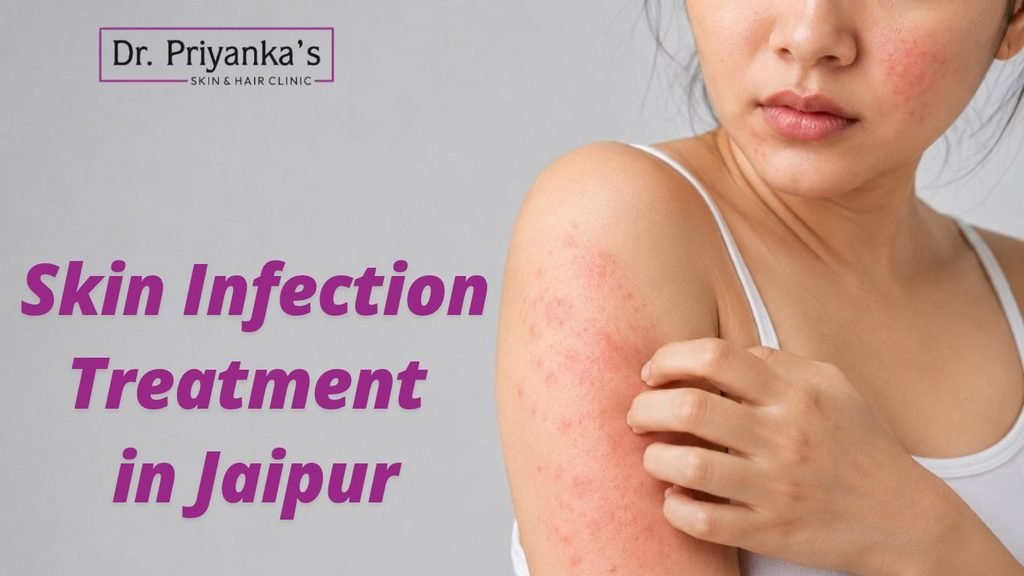
What Are Bacterial Skin Infections?
Bacterial skin infections occur when bacteria invade the skin and multiply, causing inflammation and tissue damage.
The skin normally acts as a protective barrier against microorganisms. However, bacteria can enter through:
- Cuts and wounds
- Scratches
- Insect bites
- Hair follicles
- Cracked or dry skin
- Surgical wounds
- Infected eczema
- Minor skin injuries
- Repeated friction or shaving
The most common bacteria responsible for skin infections include:
Staphylococcus aureus: A major cause of boils, abscesses, folliculitis and some forms of impetigo.
Streptococcus pyogenes: Commonly associated with cellulitis, erysipelas and certain superficial skin infections.
Some infections involve more than one type of bacteria, particularly in people with diabetes, deep wounds or compromised immunity.
Common Types of Bacterial Skin Infections
Bacterial infections can affect different layers of the skin. Their appearance and treatment depend on the location, depth and severity of infection.
1. Impetigo
Impetigo is a contagious superficial bacterial skin infection that commonly affects children, although adults can also develop it.
It usually appears around the nose, mouth, arms and legs.
Common symptoms include:
- Red skin patches
- Small blisters or pustules
- Oozing lesions
- Yellowish or honey-coloured crusts
- Mild itching
- Occasionally, swollen lymph nodes
There are two common forms:
Non-bullous impetigo: This is the more common form. It typically produces small blisters or sores that rupture and develop characteristic honey-coloured crusts.
Bullous impetigo: This form produces larger, fluid-filled blisters that can rupture and leave superficial erosions.
Treatment depends on the extent of infection. Localised cases may respond to appropriate topical treatment, while extensive infections may require oral antibiotics.
2. Folliculitis
Folliculitis is inflammation of hair follicles. Bacterial folliculitis commonly results from Staphylococcus aureus.
It may develop on the scalp, face, beard area, chest, back, buttocks and thighs.
Symptoms include:
- Small red bumps around hair follicles
- Pus-filled pimples
- Itching
- Mild tenderness
- Crusting
Factors such as sweating, friction, shaving, tight clothing and occlusive skincare products can contribute to folliculitis.
Mild cases may improve with appropriate hygiene and topical treatment. Extensive, recurrent or deeper infections require dermatological assessment.
3. Furuncle or Boil
A furuncle, commonly called a boil, is a deeper infection of a hair follicle and surrounding tissue.
It often appears as a painful, red, swollen lump containing pus.
Common sites include:
- Face
- Neck
- Armpits
- Buttocks
- Thighs
- Groin
A boil may gradually enlarge and develop a central collection of pus.
Patients should avoid squeezing or puncturing boils at home because this can worsen inflammation and spread infection.
Small boils may settle with appropriate conservative care. Larger boils may require medical drainage.
4. Carbuncle
A carbuncle consists of a group of interconnected infected hair follicles that form a larger collection of pus.
It is usually more extensive and deeper than an individual boil.
Common symptoms include:
- Multiple openings draining pus
- Painful swelling
- Redness
- Fever in some patients
- General discomfort
Carbuncles may require drainage and, depending on the severity, antibiotic treatment.
5. Skin Abscess
A skin abscess is a localised collection of pus within the skin or underlying tissue.
It often develops due to bacterial infection, particularly involving Staphylococcus aureus.
Symptoms include:
- Painful swelling
- Redness
- Warmth
- Tenderness
- Pus formation
- Sometimes fever
Incision and drainage is an important treatment for many established skin abscesses. Antibiotics may also be necessary depending on the severity, surrounding cellulitis, systemic symptoms, associated medical conditions and other risk factors.
Taking a pus sample for bacterial culture can help identify the organism and guide antibiotic selection, particularly in recurrent, severe or treatment-resistant infections. IDSA guidelines.
6. Cellulitis
Cellulitis is a bacterial infection involving the deeper skin and subcutaneous tissue.
It commonly affects the legs, although it can occur anywhere on the body.
Symptoms include:
- Spreading redness
- Swelling
- Warmth
- Pain
- Tenderness
- Fever or chills
- Occasionally, swollen lymph nodes
Cellulitis can progress rapidly and should receive prompt medical attention.
Treatment generally requires systemic antibiotics. Severe cases may require hospital assessment and intravenous antibiotics.
7. Erysipelas
Erysipelas is a bacterial infection affecting the upper dermis and superficial lymphatic vessels.
It commonly causes a bright red, swollen and relatively well-defined area of inflammation.
It may affect the face or legs.
Symptoms include:
- Sudden onset of redness
- Swelling
- Pain
- Warmth
- Fever
- Chills
Erysipelas requires appropriate antibiotic treatment and assessment for possible complications.
8. Paronychia
Paronychia is an infection involving the skin around a fingernail or toenail.
It may develop after nail biting, nail picking, manicure injuries or minor trauma.
Symptoms include:
- Redness around the nail
- Swelling
- Pain
- Tenderness
- Pus formation
Acute bacterial paronychia may require drainage if an abscess develops, along with appropriate treatment.
9. Ecthyma
Ecthyma is a deeper form of bacterial skin infection that extends into the dermis.
It commonly produces ulcers covered by thick, adherent crusts.
The lesions may heal with scarring or pigmentation changes.
Ecthyma generally requires medical evaluation and oral antibiotic treatment.
What Causes Bacterial Skin Infections?
Several factors can increase the risk of developing bacterial skin infections.
1. Poor Skin Barrier
Dry skin, eczema, cracks and repeated scratching can create entry points for bacteria.
2. Excessive Sweating
Sweating, heat and friction can contribute to irritation and follicular infections.
3. Minor Injuries
Small cuts, insect bites, shaving injuries and scratches can allow bacteria to enter the skin.
4. Diabetes
People with diabetes may have a higher risk of skin infections, particularly when blood glucose remains poorly controlled or when wounds heal slowly.
5. Obesity and Skin Folds
Skin folds can retain moisture and experience friction, increasing the risk of irritation and secondary infection.
6. Reduced Immunity
People receiving immunosuppressive treatment or living with certain medical conditions may develop more frequent or severe infections.
7. Sharing Personal Items
Sharing towels, razors, clothing and personal grooming equipment can contribute to the spread of certain bacterial skin infections.
Symptoms of Bacterial Skin Infection
The symptoms vary depending on the type and depth of infection.
Common warning signs include:
- Redness
- Swelling
- Warmth
- Pain
- Tenderness
- Pus or discharge
- Yellow crusting
- Blisters
- Ulcers
- Fever
- Swollen lymph nodes
Not every red or itchy skin rash is bacterial. Fungal infections, allergic reactions, eczema and other inflammatory conditions can look similar.
A dermatologist can help distinguish these conditions and avoid inappropriate antibiotic treatment.
How Are Bacterial Skin Infections Diagnosed?
Most bacterial skin infections can be diagnosed through clinical examination.
Dr Priyanka Sharma may assess:
- Location of the infection
- Appearance of the lesions
- Extent of redness and swelling
- Presence of pus
- Duration of symptoms
- Previous antibiotic use
- History of recurrence
- Associated fever or other symptoms
- Medical conditions such as diabetes
Skin Swab and Pus Culture
A bacterial culture may help identify the organism responsible for an infection.
It can be particularly useful in:
- Recurrent boils
- Multiple abscesses
- Severe infections
- Treatment failure
- Suspected antibiotic resistance
- Unusual clinical presentations
The laboratory may also perform antibiotic sensitivity testing to identify medicines that are likely to work against the isolated bacteria.
Blood Tests
Blood investigations may be necessary in patients with severe infections, fever, systemic symptoms or suspected complications.
The doctor may recommend blood glucose testing when diabetes is suspected or poorly controlled.
Bacterial Skin Infection Treatment in Jaipur
Treatment depends on the type of infection, its depth, the causative bacteria and the patient’s overall health.
There is no single antibiotic that treats every bacterial skin infection.
1. Topical Antibiotics
Topical antibiotics may help treat selected localised superficial infections.
Depending on the diagnosis, a dermatologist may prescribe medicines such as:
- Mupirocin
- Fusidic acid, where appropriate
- Other suitable topical antimicrobial preparations
These treatments may be useful in selected cases of localised impetigo or superficial bacterial infection.
However, topical antibiotics are not sufficient for deep infections such as cellulitis or large abscesses.
Unnecessary or prolonged use can contribute to antibiotic resistance.
2. Oral Antibiotics
Oral antibiotics may be required for infections that involve deeper tissues or larger areas.
They may also be necessary when patients have:
- Multiple lesions
- Extensive impetigo
- Cellulitis
- Ecthyma
- Fever
- Recurrent infections
- Increased risk of complications
The doctor selects the antibiotic according to the likely bacteria, infection severity, allergy history, age, pregnancy status, previous antibiotic exposure and local resistance patterns.
3. Incision and Drainage
An abscess contains a collection of pus that may not resolve with antibiotics alone.
In these cases, a doctor may perform incision and drainage to release the accumulated pus.
This procedure can help reduce pressure, pain and bacterial load.
The doctor may also send the pus for culture when indicated.
Patients should never attempt to drain deep boils or abscesses themselves.
4. Treatment of Cellulitis
Cellulitis generally requires systemic antibiotic treatment.
The doctor selects an appropriate oral antibiotic for suitable mild cases.
Patients with severe infection, rapid progression, systemic symptoms or inability to take oral medication may require hospital assessment and intravenous antibiotics.
The doctor should also identify and manage contributing conditions such as eczema, wounds, swelling or diabetes.
5. Treatment of Recurrent Boils
Some patients experience repeated boils or abscesses.
Recurrent infections may require:
- Pus culture
- Antibiotic sensitivity testing
- Evaluation for diabetes
- Assessment of underlying skin conditions
- Examination for local causes
- Review of personal hygiene practices
- Assessment for bacterial carriage in selected cases
A dermatologist may consider a supervised decolonisation plan in selected patients with recurrent Staphylococcus aureus infections.
6. Treatment of Bacterial Folliculitis
Treatment depends on the severity and extent of folliculitis.
It may include:
- Appropriate topical antimicrobial treatment
- Oral antibiotics for selected extensive cases
- Gentle cleansing
- Reducing friction
- Avoiding close shaving during active infection
- Treating underlying skin conditions
Recurrent folliculitis may require culture testing to guide treatment.
7. Treatment of Severe Bacterial Infections
Severe infections can require hospital treatment.
Management may involve:
- Intravenous antibiotics
- Blood and pus cultures
- Imaging when indicated
- Surgical drainage
- Specialist consultation
- Monitoring for systemic complications
Early treatment is particularly important in patients with diabetes or reduced immunity.
What Is Antibiotic Resistance?
Antibiotic resistance occurs when bacteria develop the ability to survive medicines that previously controlled or killed them.
Repeated, unnecessary or inappropriate antibiotic use can contribute to this problem.
Some Staphylococcus aureus infections involve methicillin-resistant Staphylococcus aureus (MRSA).
MRSA infections require appropriate diagnosis and selection of an antibiotic active against the organism.
Doctors may recommend culture and sensitivity testing when an infection does not respond to initial treatment or when resistance is suspected.
Do not use leftover antibiotics, share prescriptions or stop a prescribed course without discussing it with your doctor.
Bacterial Skin Infections in Children
Children commonly develop superficial bacterial infections such as impetigo and folliculitis.
These infections can spread through close contact, scratching and shared personal items.
Parents should watch for:
- Yellow crusts around the mouth or nose
- Pus-filled bumps
- Painful boils
- Spreading redness
- Fever
- Increasing swelling
Treatment depends on the child’s age, weight, infection type and severity.
Parents should avoid using adult antibiotic creams or oral medicines without medical advice.
Bacterial Skin Infections in People With Diabetes
People with diabetes need particular attention when they develop skin infections.
High blood glucose, poor circulation, reduced sensation and delayed wound healing can increase the risk of complications.
Common problems include:
- Recurrent boils
- Skin abscesses
- Cellulitis
- Infected wounds
- Foot infections
Seek prompt medical assessment for redness, swelling, pus, pain or wounds that do not heal.
A doctor may also recommend blood glucose assessment and appropriate wound care.
Are Bacterial Skin Infections Contagious?
Some bacterial skin infections can spread from one person to another.
Impetigo, for example, can spread through direct skin contact or contaminated towels, clothing and other personal items.
Boils caused by Staphylococcus aureus may also spread through contact with infected drainage or contaminated objects.
To reduce transmission:
- Wash hands regularly.
- Avoid sharing towels and razors.
- Keep infected wounds covered with clean dressings.
- Wash clothing and towels appropriately.
- Avoid touching or squeezing infected lesions.
- Follow the treatment plan.
How to Prevent Bacterial Skin Infections
Prevention focuses on protecting the skin barrier and reducing exposure to harmful bacteria.
Maintain Skin Hygiene
Bathe regularly and use gentle cleansing products.
Keep Cuts and Wounds Clean
Clean minor injuries appropriately and cover them when necessary.
Avoid Sharing Personal Items
Do not share razors, towels, clothing or personal grooming equipment.
Avoid Squeezing Boils
Squeezing boils can spread infection and worsen inflammation.
Manage Eczema and Dry Skin
Treating eczema and maintaining skin hydration can help reduce cracks and scratching.
Control Diabetes
Good blood glucose control supports wound healing and reduces infection-related risks.
Seek Early Treatment
Do not ignore painful swelling, spreading redness, pus or fever.
When Should You Consult a Dermatologist?
Consult a dermatologist if you notice:
- Recurrent boils
- Persistent pus-filled lesions
- Spreading redness
- Painful skin swelling
- Repeated folliculitis
- Non-healing wounds
- Recurrent impetigo
- Infection that does not improve with treatment
- Unexplained skin ulcers
Early assessment helps identify the infection and select appropriate treatment.
Seek urgent medical attention if you develop rapidly spreading redness, severe or disproportionate pain, high fever, confusion, dizziness, extensive blistering, skin discolouration or marked weakness. These may indicate a serious infection or sepsis.
Infections near the eye also require prompt medical evaluation, particularly when there is eyelid swelling, fever, eye pain, restricted eye movement or visual disturbance.
Why Choose Dr Priyanka Sharma for Bacterial Skin Infection Treatment in Jaipur?
At Collagen Clinics, Jaipur, Dr Priyanka Sharma focuses on identifying the cause of skin symptoms before recommending treatment.
A personalised assessment may include:
- Clinical examination of the affected skin
- Identification of the likely bacterial infection
- Assessment of infection severity
- Review of previous treatments
- Culture testing when indicated
- Evaluation of recurrent infections
- Assessment of underlying risk factors
- Appropriate treatment and follow-up advice
The treatment plan depends on the individual diagnosis. Some infections require topical medication, while others need oral antibiotics, drainage or hospital referral.
The focus is on accurate diagnosis, appropriate antibiotic use, prevention of complications and reducing recurrence.
Frequently Asked Questions
1. What is the best treatment for bacterial skin infections?
The best treatment depends on the type and severity of infection. Localised superficial infections may respond to topical medicines, while cellulitis and deeper infections generally require oral or intravenous antibiotics. Abscesses may also need drainage.
2. Which bacteria commonly cause skin infections?
Staphylococcus aureus and Streptococcus pyogenes are among the most common bacteria responsible for skin infections.
3. Are bacterial skin infections contagious?
Some bacterial skin infections, particularly impetigo and certain Staphylococcus aureus infections, can spread through direct contact or contaminated personal items.
4. How long does a bacterial skin infection take to heal?
Healing time depends on the type, depth and severity of infection. Some superficial infections improve within several days of appropriate treatment, while deeper infections may take longer. Redness and swelling can take additional time to settle.
5. Can bacterial skin infections recur?
Yes. Recurrent infections may be associated with bacterial carriage, diabetes, eczema, repeated skin trauma or other underlying factors. A dermatologist may recommend additional investigations.
6. Do all bacterial skin infections require antibiotics?
No. Treatment depends on the diagnosis. Some localised infections require topical treatment, while certain abscesses primarily require drainage. Antibiotics are necessary for conditions such as cellulitis and other clinically significant bacterial infections.
7. Can boils be treated at home?
Small boils may improve with warm compresses and appropriate care, but large, painful, recurrent or spreading boils need medical assessment. Never squeeze or puncture a boil yourself.
8. What is the difference between a boil and an abscess?
A boil is a deep infection involving a hair follicle. An abscess is a localised collection of pus within the skin or underlying tissue. A large boil may develop into an abscess.
9. Can diabetes cause recurrent skin infections?
Diabetes can increase the risk of skin infections, particularly when blood glucose is poorly controlled. Recurrent boils, abscesses or non-healing wounds should prompt medical evaluation.
10. What is MRSA skin infection?
MRSA stands for methicillin-resistant Staphylococcus aureus. It is a type of bacteria resistant to several commonly used antibiotics. Treatment requires appropriate antibiotic selection, and culture testing may help guide therapy.
11. When should I get a pus culture?
A pus culture may be useful for recurrent, severe or unusual infections, treatment failure, or suspected antibiotic resistance. It helps identify the bacteria and determine which antibiotics may work.
12. Can bacterial skin infections leave scars?
Some superficial infections heal without scarring. Deeper infections, abscesses and ecthyma can leave scars or pigmentation changes, particularly when inflammation is severe or patients repeatedly pick at lesions.
13. Where can I get bacterial skin infection treatment in Jaipur?
You can consult Dr Priyanka Sharma at Collagen Clinics, Jaipur, for dermatological evaluation and an appropriate treatment plan for bacterial skin infections.
Conclusion
Bacterial skin infections range from mild superficial conditions such as impetigo and folliculitis to deeper infections such as boils, abscesses and cellulitis. Although many infections respond well to treatment, delayed diagnosis or inappropriate antibiotic use can lead to complications.
The right treatment depends on the type of bacteria, depth of infection, extent of skin involvement and the patient’s overall health. Treatment may include topical medicines, oral antibiotics, drainage procedures, culture testing and hospital care for severe infections.
If you are looking for bacterial skin infection treatment in Jaipur, consult a dermatologist for accurate diagnosis and appropriate treatment.
Dr Priyanka Sharma at Collagen Clinics, Jaipur, provides personalised dermatological assessment and treatment planning for bacterial skin infections, with an emphasis on appropriate medication, infection control and prevention of recurrence.